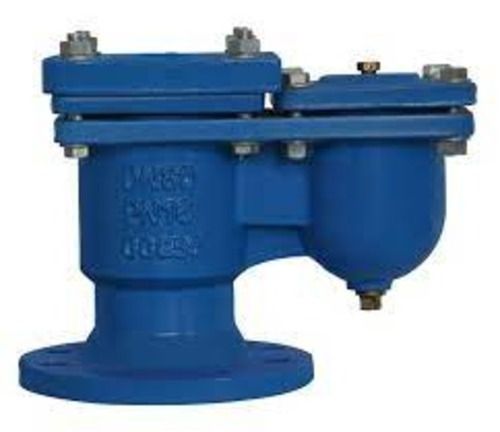
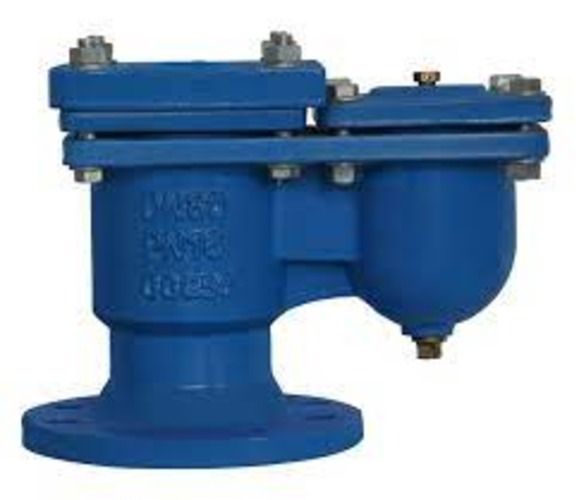
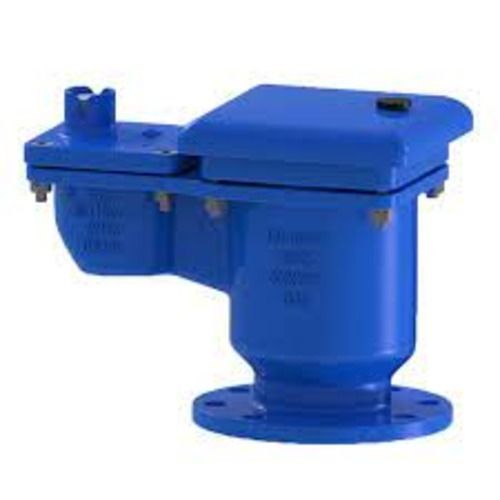
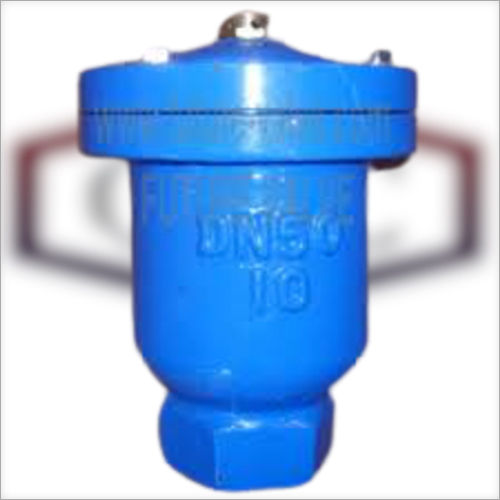
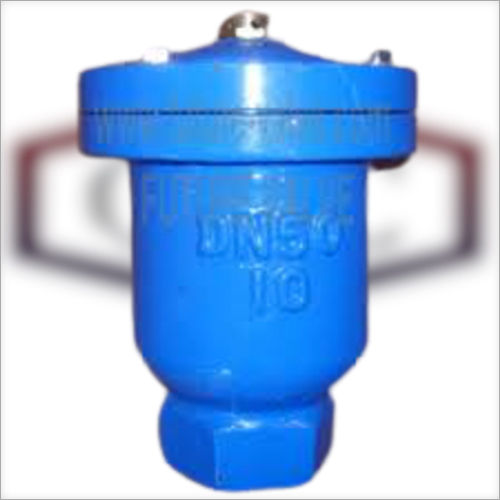
About CI DOUBLE AIR VALVE
QTC MAKE CI DOUBLE AIR VALVE.
BODY:IS 210 Gr FG 200
TRIMS:AISI 410
BALL:NEOPRENE COATED TIMBER
MFG STD:IS-14845 / QTC / 016
TESTING:IS-14845 /QTC / 016
MAX C.W.P.:100 Psig (7 Kg/Cm2)
ENDS:FLANGED TO BS 10 TABLE "D FLANGED TO ASME B 16.1 FF (125#) FLANGED TO IS 1538
HYDR-TEST PRESSURE:BODY : 225 Psig (16 Kg/Cm2)
Engineered for Reliability and SafetyThis double orifice air valve offers bubble tight shut-off, built to release and admit air efficiently in pressurized pipelines. Its fusion bonded epoxy coating provides corrosion resistance inside and out, prolonging service life even in aggressive environments. Top-quality materials, including Cast Iron and corrosion-resistant floats, ensure consistent functionality and safety for water and air systems.
Versatile Applications Across IndustriesIdeal for water distribution, irrigation, and industrial pipelines, the valve supports a wide range of sizes and pressure ratings. Its vertical mounting position and manual release lever make installation and operation straightforward. The valve's adaptability suits both new projects and retrofit applications, providing efficient air management over a wide temperature and pressure range.
FAQ's of CI DOUBLE AIR VALVE:
Q: How does the CI Double Air Valve ensure bubble tight shut-off?
A: The valve is engineered with precision synthetic rubber, nitrile, or EPDM seats and a double orifice structure, which provides a bubble tight seal to prevent air or water leakage under various pressure conditions.
Q: What is the main benefit of the fusion bonded epoxy coating?
A: Fusion bonded epoxy coating protects both the interior and exterior surfaces of the valve from corrosion, extending its operational lifespan and maintaining performance even in harsh environments.
Q: Where can this CI Double Air Valve be installed?
A: It is ideal for water distribution pipelines, irrigation systems, water works, and industrial pipelines, typically mounted in a vertical position wherever effective air release or intake is needed.
Q: What is the process for testing the valve's pressure integrity?
A: Each valve undergoes rigorous testing per IS:14845 and BS:5163 standards, with body and seat subjected to 1.5x and 1.1x working pressure respectively to ensure durability and safety in service.
Q: How is the float mechanism constructed and what advantages does it offer?
A: The valve features floating balls made from corrosion-resistant NDPE or stainless steel. This design ensures reliable operation by promptly opening or closing the orifices in response to changes in air pressure.
Q: When should the manual release lever be used?
A: The manual release lever should be used during maintenance, system start-up, or to release trapped air that may not be expelled automatically, helping maintain system efficiency.


 Send Inquiry




 Send Inquiry
 Send Inquiry
 Send SMS
 Call Me Free
