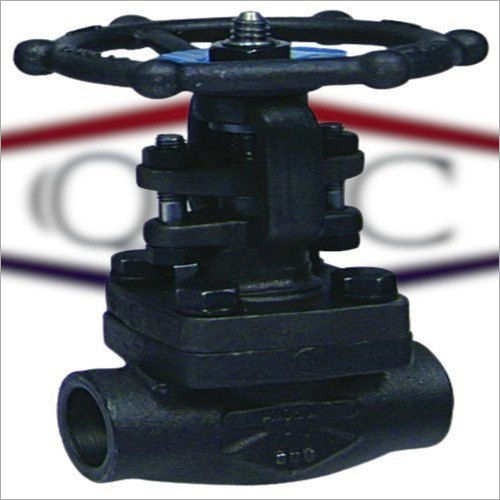
About Cast Iron Gate Valve
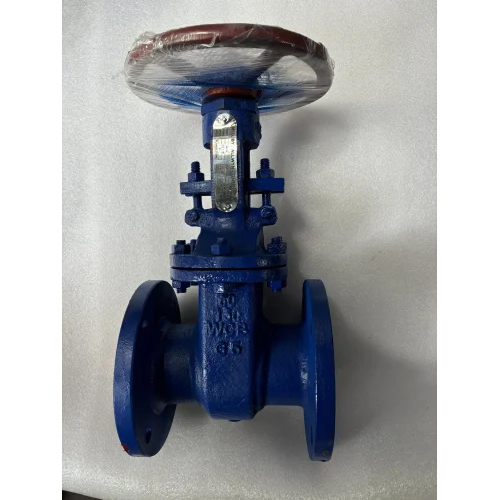
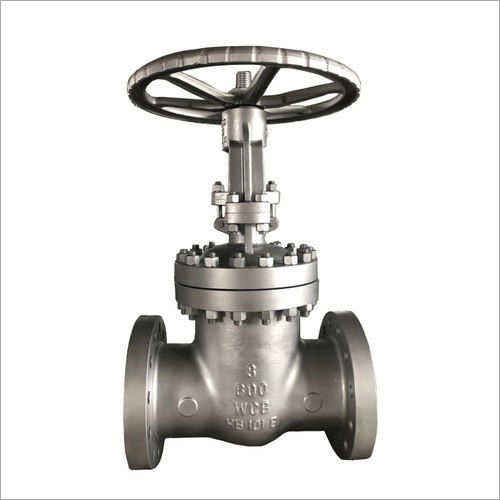
QTC MAKE -CAST CARBON STEEL GATE VALVE CLASS OUT SIDE SCREW & YOKE TYPE BOLTED BONNET-RISING SPINDEL ASA 150
BODY/BONNET : ASTM A 216 Gr. WCB
TRIMS : 13 Cr 1STEEL ( SS410 )
MFG STD : API 600
INSP & TEST STD : API 598
ENDS : FLANGED TO ANSI B 16.5 RF (150#)
HYD-TEST PRESS : BODY : 425 PSIG (30 Kg/Cm2)
: SEAT : 300 PSIG (21 Kg/Cm2)
Rugged Construction for Demanding ApplicationsBuilt from durable materials including cast iron, carbon steel, and stainless steel variants (SS304/SS316), this gate valve is designed to deliver reliable performance in harsh industrial environments. The strong powder-coated surface adds protection against corrosion, ensuring longevity even under challenging conditions.
Precise Flow ControlThe manual operation of this gate valve allows users to adjust the flow of oil, water, or gas with accuracy. Its round, 600 mm design offers substantial flow capacity, making it ideal for large-scale use in industrial plants where efficient regulation of media is critical.
FAQ's of Cast Iron Gate Valve:
Q: How is the Cast Iron Gate Valve installed in an industrial pipeline?
A: Installation is straightforward; the valve uses a flange connection, ensuring a secure fit onto corresponding pipeline flanges. Correct alignment and tightening of bolts are necessary to ensure a leak-proof connection. Professional installation is recommended for optimal performance.
Q: What media can be controlled with this gate valve?
A: This Cast Iron Gate Valve is suitable for handling water, oil, and gas, making it highly versatile for various industrial applications. Its robust construction ensures safe operation across these media types.
Q: When should this gate valve be chosen over other types?
A: This valve is ideal when you need durable, high-capacity, and corrosion-resistant flow control. Its manual operation and 600 mm size make it suitable for environments with frequent operation or where precise flow regulation is critical.
Q: Where is this gate valve commonly used?
A: Primarily used in industrial settings-including factories, water treatment plants, oil and gas facilities, and chemical plants-it is widely applied where large-diameter flow control is necessary.
Q: What is the process for maintaining this gate valve?
A: Regular inspection for signs of wear, corrosion, or leaks is essential. Occasional cleaning of the surface and operating parts, along with periodic lubrication of the manual mechanism, can extend service life.
Q: How does the manual operation benefit industrial users?
A: Manual operation provides precise control, allowing operators to finely adjust flow as required. This can be particularly advantageous in processes that demand quick shut-offs or gradual regulation.


 Send Inquiry



 Send Inquiry
 Send Inquiry
 Send SMS
 Call Me Free
