About Cast Iron Pinch Valve
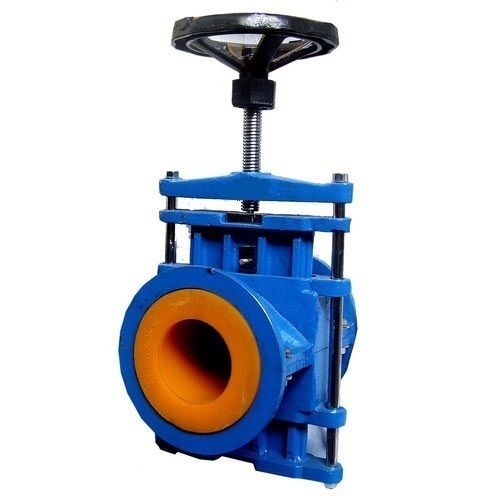
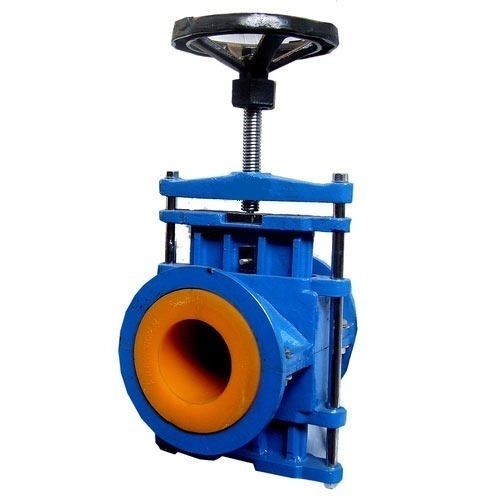
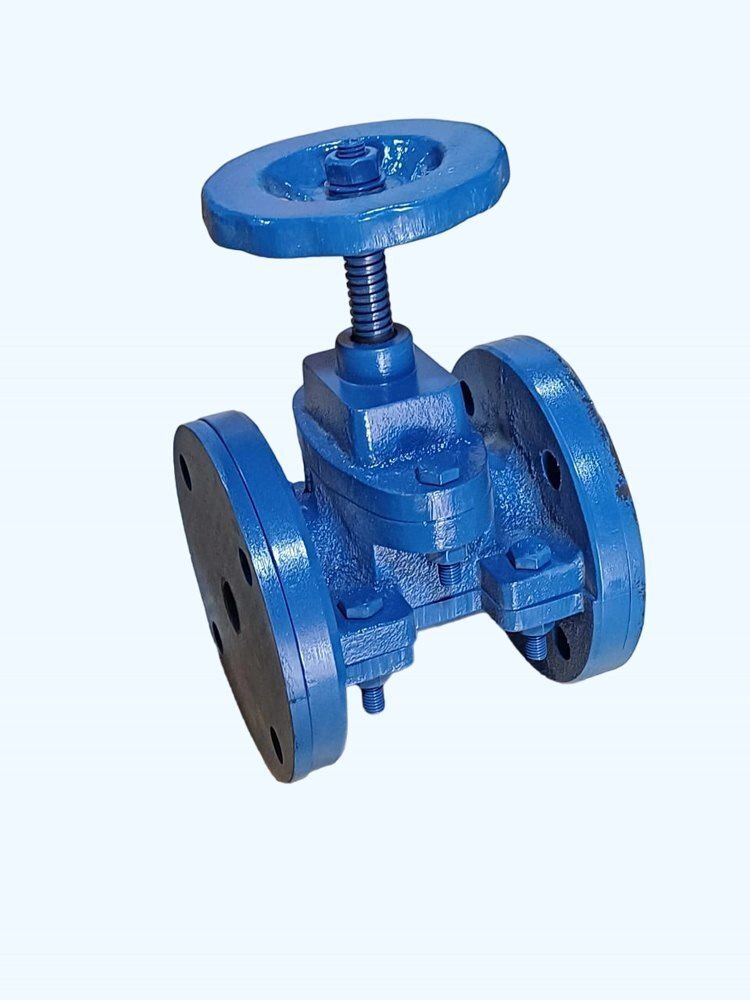
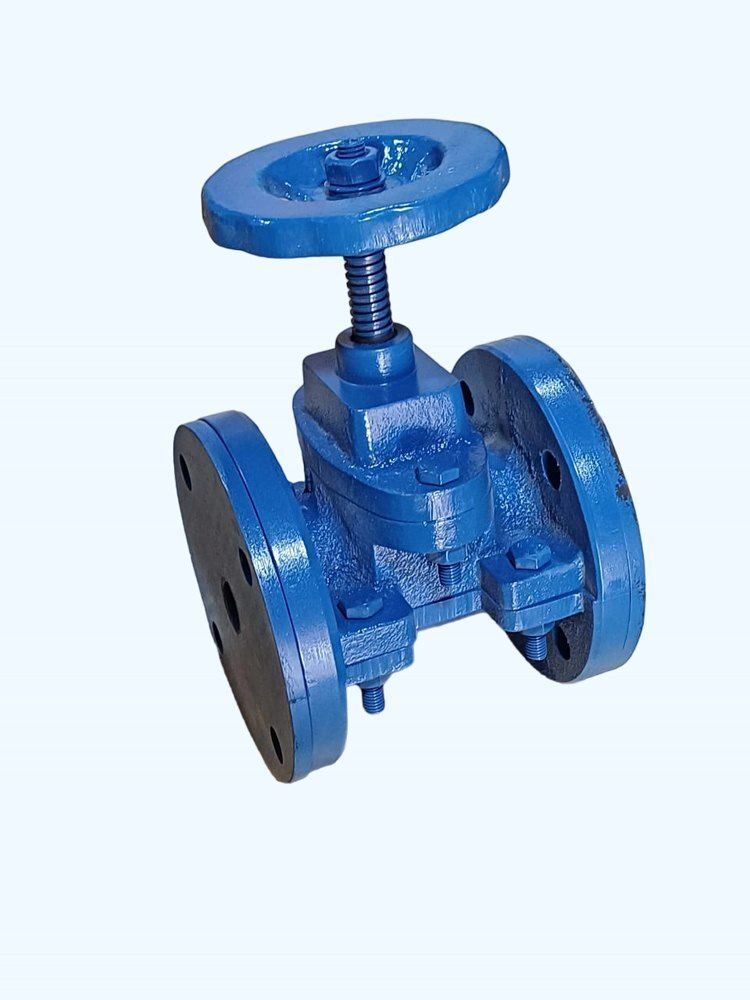
Keeping in mind ever-evolving requirements of our respected clients, we are offering Cast Iron Pinch Valve to our consumer that is made by using qualitative required materials with the help of latest technology and tools. This valve is ideal choice to use in various industries for controlling the flow of liquids, slurries, granules and pastes. It is appreciated in the market because of its robust structure, hassle-free performance and long service life. Cast Iron Pinch Valve can be avail from us at common market price rate.
Product details
|
Maximum Pressure
|
16 Kg/cm2
|
|
Material
|
Cast Iron Body with Rubber Sleeve
|
|
Pressure
|
Medium Pressure
|
|
Usage/Application
|
Industrial
|
|
Brand
|
QTC
|
|
Size
|
12 inch
|
Reliable Water Flow Control for Industrial NeedsOur Cast Iron Pinch Valve is engineered for efficient management of water flow across numerous industrial sectors. Built with a sturdy, bolted bonnet design and corrosion-resistant, epoxy paint finish, it delivers long-lasting durability even in challenging environments. Flanged end connections and handwheel operation make installation and usage straightforward, ensuring consistent results with minimum maintenance.
Superior Sealing and No LeakageFeaturing a high-quality natural or synthetic rubber sleeve and adhering to Class VI tight shutoff standards, this valve provides exceptional leakage protection. Its construction maintains a dependable seal, even under medium pressure conditions, ensuring your operations remain safe and free from water loss.
FAQ's of Cast Iron Pinch Valve:
Q: How does the Cast Iron Pinch Valve operate?
A: The valve is operated manually using a handwheel, which compresses the internal rubber sleeve to effectively control or shut off water flow through the pipe. This design enables smooth and precise adjustments.
Q: What is the typical application for this pinch valve?
A: This valve is primarily used in industrial water handling systems where reliable flow control and leak-tight shutoff are required, thanks to its robust construction and precise operation.
Q: When should I use a pinch valve with natural versus synthetic rubber sleeves?
A: Natural rubber sleeves are ideal for standard water applications, whereas synthetic rubber options provide better chemical resistance and may be chosen based on the specific demands of your media or operating environment.
Q: Where are these valves commonly installed?
A: They are widely installed in industrial plants, treatment facilities, and water distribution systems, especially where corrosion resistance and leak prevention are priorities.
Q: What is the process of maintaining this pinch valve?
A: Maintenance is straightforward: periodically inspect the sleeve for wear and check for any accumulation on the handwheel or bonnet. The bolted bonnet design also allows easy access for servicing or replacement of the sleeve.
Q: What benefits does the epoxy paint surface provide?
A: The epoxy coating significantly enhances the valve's resistance to corrosion, prolonging its operational life and maintaining reliability even in damp or chemically harsh industrial settings.


 Send Inquiry


 Send Inquiry
 Send Inquiry
 Send SMS
 Call Me Free
