About Diaphragm Valve Rubber Line
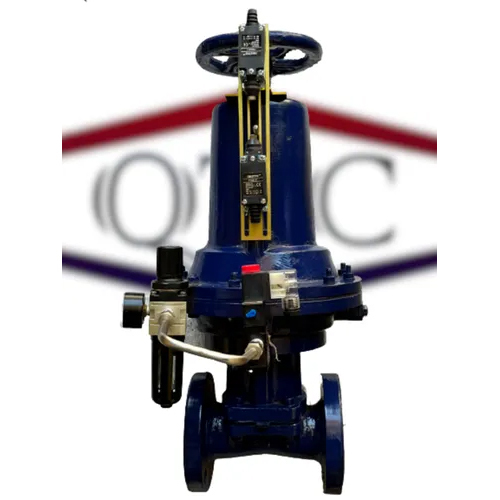
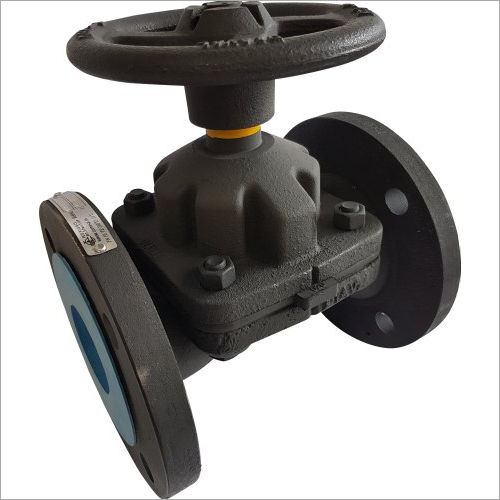
QTC BRAND DIAPHRAGM VALVE CAST IRON - DIAPHRAGM VALVE FLANGED END ASA 150#
BODY : CAST IRON - IS 210 Gr FG 200/220 AND LINED WITH EBONITE
BONNET : CAST IRON
ENDS : FLANGED TO ANSI B 16.5 (150#)
PARTS : ALL WETTED PARTS OF VALVE & RAISED PORTION OF FLANGES WILL BE LINED WITH RUBBER LINNING
LINING THIKNESS: MINIMUM 3.00 MM
HYD-TEST PRESS. : BODY : 20 Kg/Cm2
: SEAT : 15 Kg/Cm2
Advanced Rubber Lined Diaphragm ValvesEngineered for durability and precise control, our rubber lined diaphragm valves offer unmatched resistance against corrosion and abrasion for water media. Designed with a 100 mm cast iron body and a blue-coated finish, these valves are ideal for rigorous industrial use and demanding liquid flow environments.
Versatile Industrial ApplicationsThese diaphragm valves are extensively used across water treatment plants, chemical processing, and other industrial sectors. Their reliable design ensures leak-proof isolation and long service life, while accommodating challenging water-based media. Offering adaptability and strength, they're trusted by industries and facility owners alike.
FAQ's of Diaphragm Valve Rubber Line:
Q: How does the rubber lining enhance the performance of diaphragm valves in industrial water applications?
A: The rubber lining provides additional corrosion and wear resistance, significantly extending the valve's lifespan in aggressive water environments. It ensures a tight seal and prevents leaks, making the valve highly efficient for industrial use.
Q: What are the main benefits of using a diaphragm valve with a cast iron body for water media?
A: A diaphragm valve with a cast iron body combines structural robustness with chemical resistance, ensuring the valve remains durable and reliable in high-pressure, high-flow water systems. This makes it cost-effective and ensures minimal maintenance.
Q: When should I choose a diaphragm valve rubber line over other valve types?
A: Diaphragm valve rubber lined models are ideal when you need precise flow regulation, zero leakage, and protection against corrosion or abrasive water media. They're particularly suitable for water treatment, chemical handling, and similar industrial processes.
Q: Where are these 100 mm diaphragm valves typically installed in industrial settings?
A: These valves are commonly installed in pipelines within water treatment facilities, chemical processing plants, and other industrial environments requiring controlled flow and isolation. Their size and material make them suitable for main trunk lines and critical distribution nodes.
Q: What is the process for installing a diaphragm valve in an industrial pipeline?
A: Installation involves positioning the valve between flanges in the pipeline, ensuring proper alignment, and securing it with bolts. Proper gasket selection and torque application are crucial for an effective seal and optimal performance.
Q: How can industries benefit from sourcing these valves from an Indian exporter, manufacturer, or supplier?
A: Sourcing from a reputable Indian exporter or supplier ensures access to quality-tested, cost-efficient valves that conform to international standards, backed by comprehensive support and timely delivery for global industrial projects.


 Send Inquiry



 Send Inquiry
 Send Inquiry
 Send SMS
 Call Me Free
